About Dragos, Istanbul
A hill and a strip of shore on the Asian side, split between Maltepe and Kartal, with the Princes’ Islands straight ahead. What the area is, how it works day to day, and what that means if you are buying here.
- 107mHeight of Dragos hill above the sea
- 2Districts it spans: Maltepe and Kartal
- 26,248People in Kartal’s Orhantepe (2024)
- 6thc.Date of the Byzantine bath found on the shore
Is Dragos in Maltepe or in Kartal?
It is the most common question about the place, and the honest answer is: in both. Dragos is a traditional local name, not an administrative unit. The hill and its shoreline sit across the boundary between two districts on the Sea of Marmara, with Maltepe on the western side and Kartal on the eastern.
What appears on paper is the mahalle, the official neighbourhood. Both districts happen to have one called Cevizli, which adds to the confusion. Most of the hill itself lies in Orhantepe, a Kartal neighbourhood of 2.9 km² and about 26,000 people. These are the names you will meet on title deeds and in listings for Dragos homes:
- Cevizli (Maltepe)
- Cevizli (Kartal)
- Orhantepe (Kartal)
For a buyer the practical difference is small: the municipality that collects your property tax and empties the bins. The view, the stations and the price are shaped by where a building stands on the slope, not by which side of the line it falls.
The hill and its view of the islands
Dragos hill rises 107 metres above the sea and is sometimes called the balcony of Istanbul. From the top, the Princes’ Islands line up across the water, Büyükada the largest of them, and the Istanbul Metropolitan Municipality counts it among the best places to see them. The hill is also known for its moonlit nights over the Marmara.
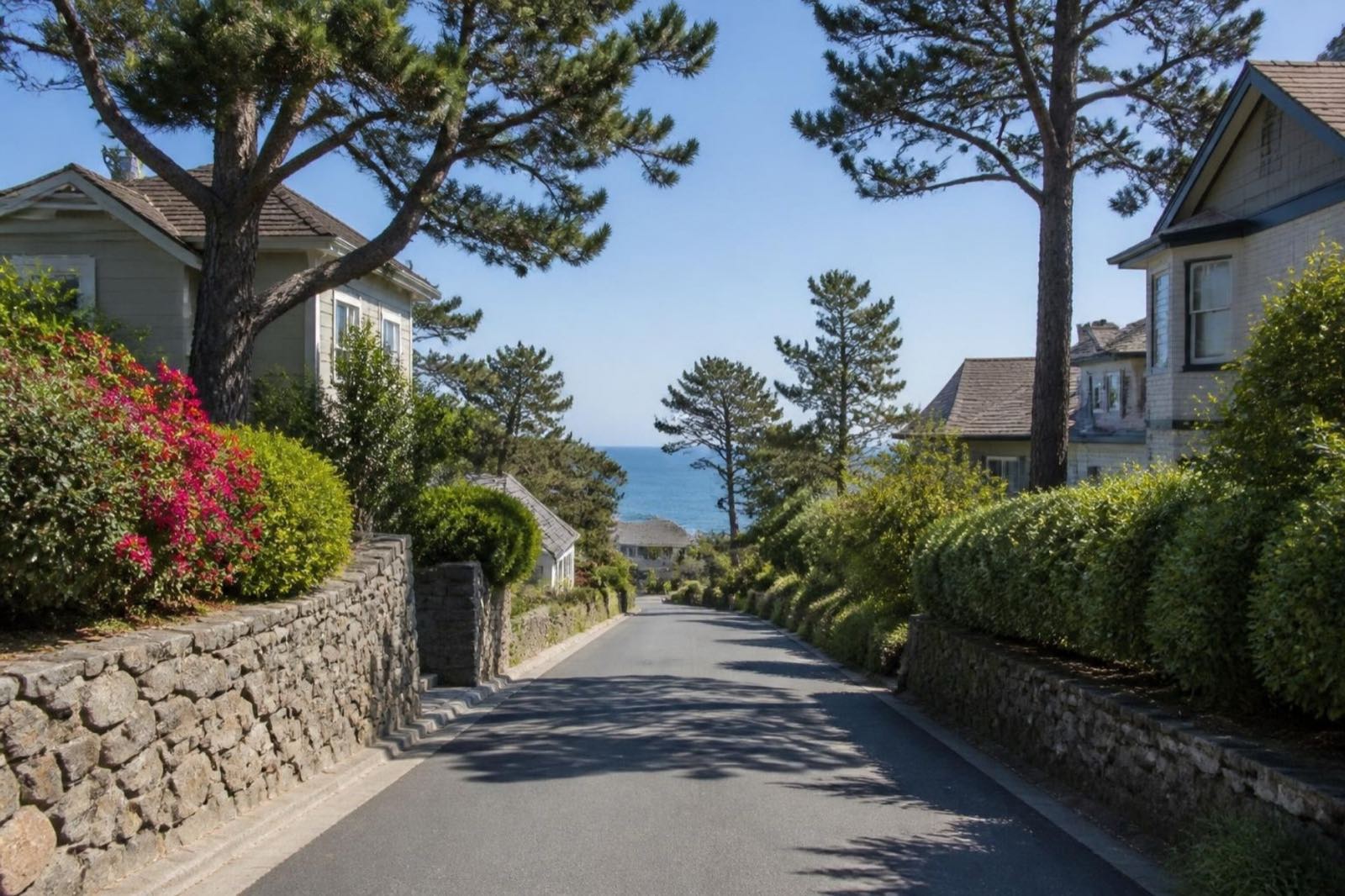
The metropolitan municipality runs the Dragos Social Facility, with a restaurant open to the public, so the view is not reserved for the people who live here. For residents, it is the reason a high floor or a top-of-the-slope house costs what it does.
From dragon legend to summer houses
The name is usually traced to a story about a dragon guarding treasure on the hill; the same legend is offered for Maltepe, “treasure hill”. People have lived here since at least the sixth century. Under Byzantium and the Ottomans this was one of the notable settlements of the Asian shore, and in 1081 the Dragos stream marked the border agreed between Emperor Alexios Komnenos and the Seljuk ruler Süleyman.
On the shore, archaeologists have uncovered a sixth-century bath of around 21 by 28 metres, a three-apsed church and a house with a patterned marble floor. The bath was found in 1974 on a factory site; the Istanbul Archaeological Museums resumed work in 2010.
The modern story begins with the railway. After the suburban line from Haydarpaşa to Pendik opened in 1873, building on the slope picked up, and Dragos became one of the city’s oldest sayfiye, or summer retreats. A 2020 study of Orhantepe followed how that resort character gave way to year-round housing between 1968 and 2018.
On the water
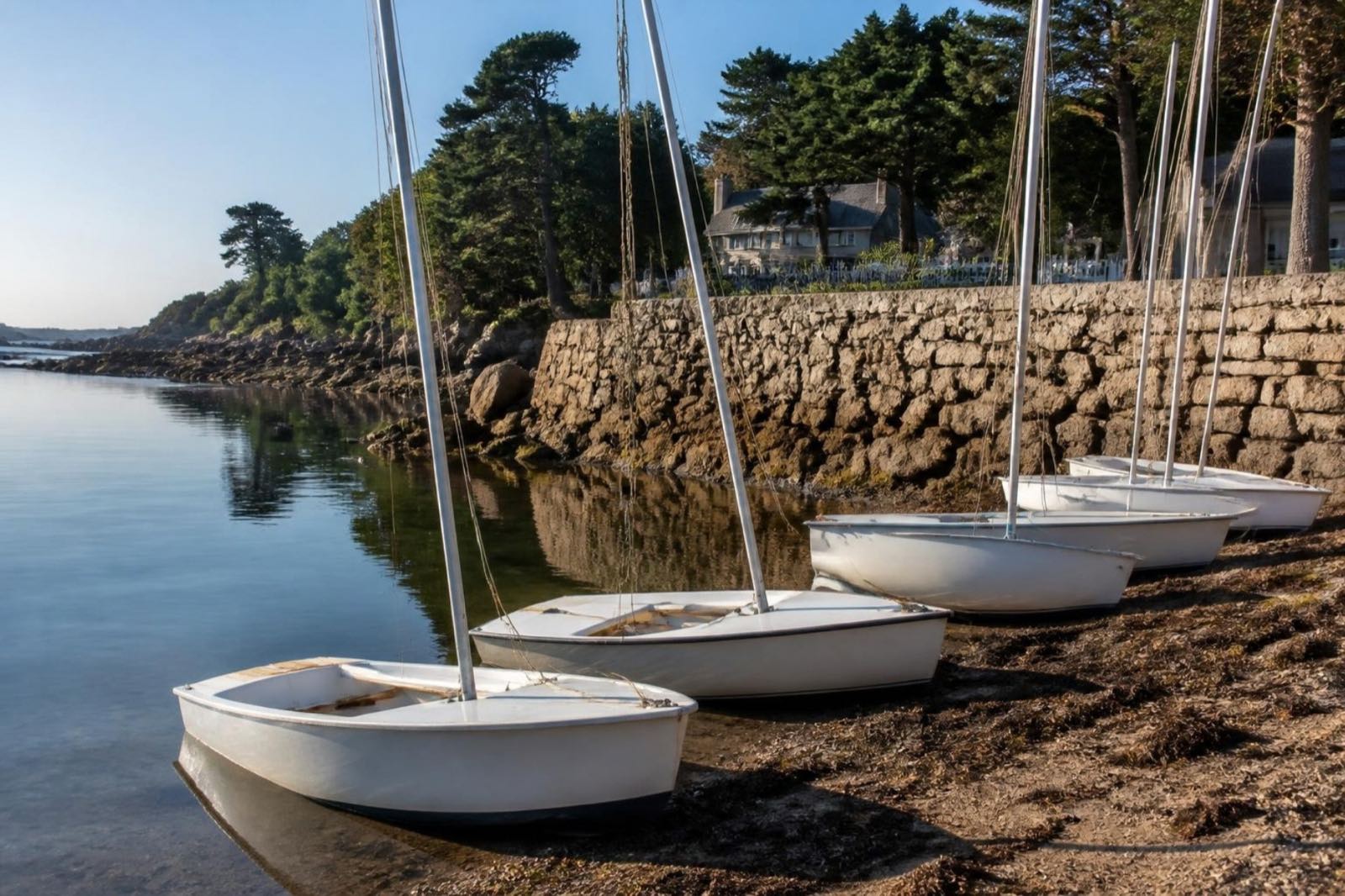
The shore below the hill is where Dragos spends its summer evenings. Kartal Municipality opened the Dragos Water Sports Centre here in 2021, with rowing, swimming, sailing and canoeing for ages from children to retirees. The Marina Dragos sailing club has run dinghy races in the cove with the municipality for the 1 July Maritime and Cabotage Day.
On the Maltepe side, Dragos Spor Kulübü is a members’ club whose sections include football and fencing. For a family moving here, that means sport within walking distance rather than a drive across the city.
Stations and roads
Two lines run parallel to the shore. Marmaray, the suburban railway, follows the coast and then dives under the Bosphorus into Europe; the full Gebze to Halkalı service opened in March 2019. Cevizli and Atalar are the stops closest to Dragos, with Başak next along towards Kartal.
Marmaray Suburban rail along the shore, continuing under the Bosphorus into Europe
- Cevizli
- Atalar
- Başak
M4 Metro beside the E-5, from Kadıköy out to Sabiha Gökçen Airport
- Esenkent
- Hastane–Adliye
Stops nearest Dragos, listed west to east
Higher up, the E-5 (D-100) highway marks the northern edge of the area, and the M4 metro runs beside it. Its Hastane–Adliye stop serves the courthouse and the Marmara University campus, and since 2022 the line has continued through Kartal and Pendik to Sabiha Gökçen Airport. Ferries from Kartal cross to the Princes’ Islands.
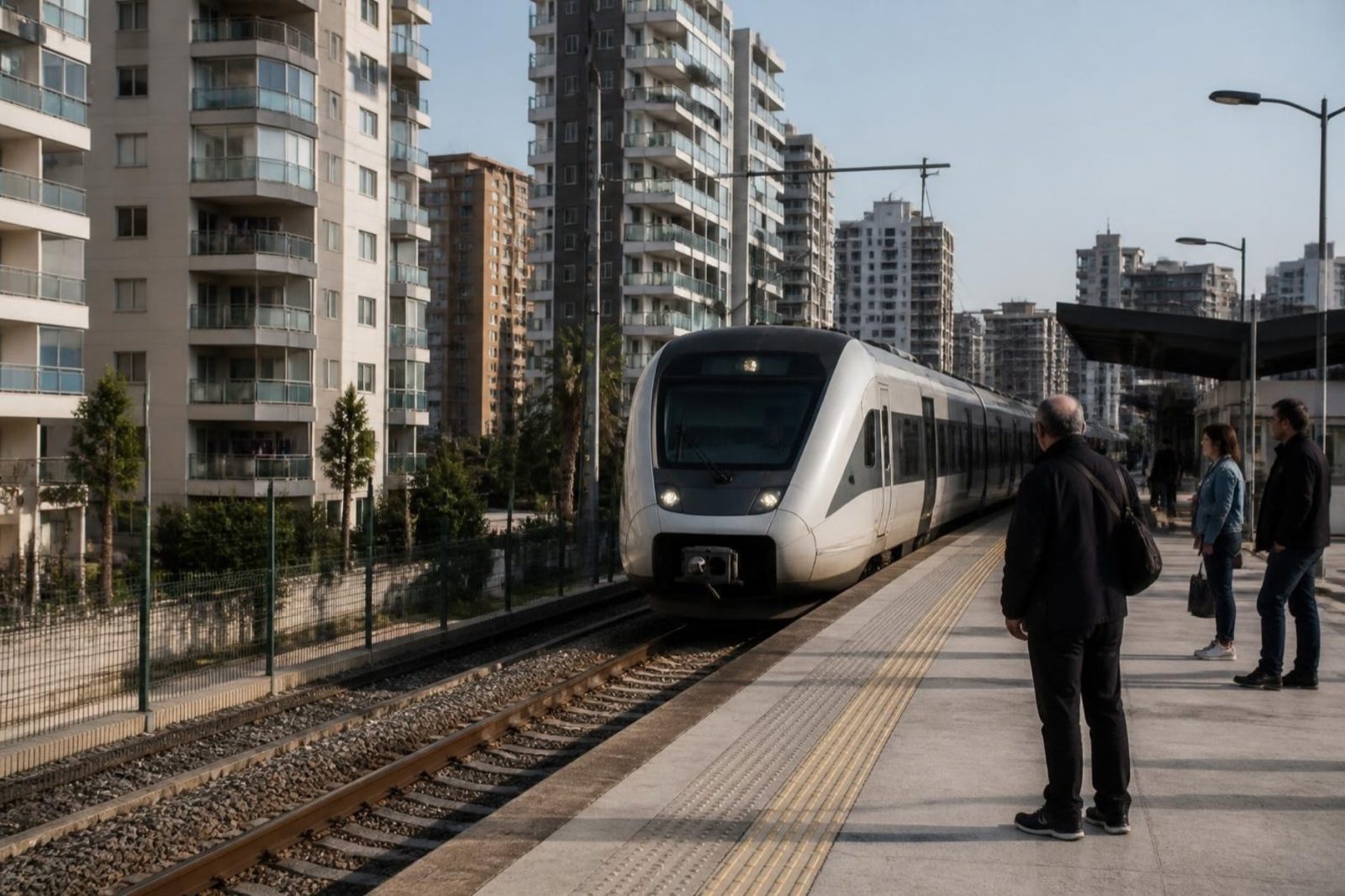
The slope is the catch. A flat a few minutes from Cevizli station may be a steep climb from the sea, and a house near the summit can be a fair walk from both lines. We time the walk from every listing before we describe it.
What homes in Dragos look like
The old summer-house layer still shows on the hill, where detached houses with gardens and small gated sites share narrow lanes. Towards Cevizli and the E-5, large residential projects have gone up, some of them on former factory sites, with shared pools, gyms and security.
- La Mer Dragos: two residential towers in Maltepe’s Cevizli, from studios to two-bedroom flats, near Cevizli station.
- Nuvo Dragos: built by Özderici GYO on the 52,000 m² site of the old Singer factory in Maltepe, first residents in 2014.
- Özak Dragos: a development on Tugay Yolu in Maltepe’s Cevizli.
Around them you will find Bezmialem Vakıf University’s Dragos Hospital by the coast road, and on the Kartal side the Marmara University Dragos campus, built where a TEKEL cigarette factory once stood.
Choosing your side of Dragos
If the commute comes first
Look at the Cevizli projects near the station and the E-5. You trade some quiet for a short walk to the train, and the sea view depends on the floor.
If space and a garden matter
The hill in Orhantepe has the houses and the open views. Check parking, the gradient and how far the nearest stop is on foot.
If the sea is the point
Stay close to the shore and the cove, where the water sports centre and the coast road are part of daily life.